
Summer Vibes Stories
  • Health News
  • Health Care
  • Staying Healthy
  • Beauty Advices
No Result
View All Result
  • Health News
  • Health Care
  • Staying Healthy
  • Beauty Advices
No Result
View All Result
Summer Vibes Stories
No Result
View All Result
Home Staying Healthy

Getting the skinny on plant-based milk

admin by admin
June 4, 2022
in Staying Healthy
0
Getting the skinny on plant-based milk

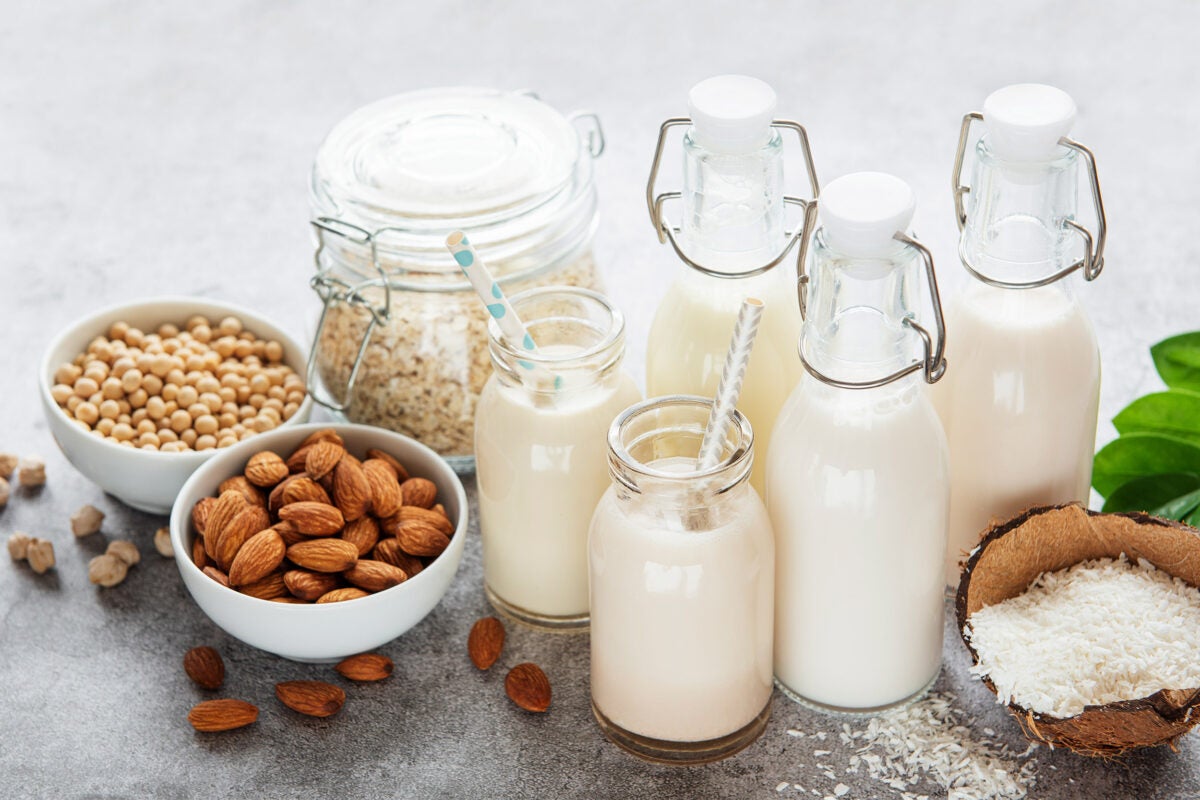
For the longest time, your milk choices were whole, 2%, 1%, and fat-free (or skim). Today, refrigerator shelves at grocery stores are crowded with plant-based milks made from nuts, beans, or grains, and include favorites like almond, soy, coconut, cashew, oat, and rice. Yet the fertile ground of the plant-milk business continues to sprout new options, such as pistachio, pea, and even potato milk. It seems if you can grow it, you can make milk out of it.

So, are these new alternatives better nutritionally than the other plant milks — or just more of the same?

A few facts about plant-based milks

Plant-based milks are all made the same way: nuts, beans, or grains are ground into pulp, strained, and combined with water. You end up with only a small percentage of the actual plant — less than 10 percent for most brands. Nutrients like vitamin D, calcium, potassium, and protein are added in varying amounts. “Still, many alternative milks have similar amounts of these nutrients compared with cow’s milk,” says Walter Willett, professor of epidemiology and nutrition at the Harvard T.H. Chan School of Public Health.

Plant-based milks are considered “greener” than dairy and emit fewer greenhouse gases during production. However, growing some of these plants and making them into milk requires great quantities of water. Most plant-based milks are low-calorie. On average, though, these milk products cost more than dairy.

Nutrition, calories, and other benefits of newer plant-based milks

Here’s a closer look at three new members of the alternative-milk family.

Pistachio milk is not green like the nut, but rather an off-brown color. Because it contains little actual pistachio, you miss out on the nuts’ essential vitamins and minerals, like thiamin, manganese, and vitamin B6. Yet pistachio milk contains less than 100 calories per cup, which is similar to skim cow’s milk and other plant-based milks. One extra benefit of pistachio milk is that it’s a bit higher in protein than other plant milks (which can be light in the protein department compared with cow’s milk).

Pea milk is created from yellow field peas, but has no “pea-like” flavor. Its color, taste, and creamy consistency are close to dairy, so people may find it more appealing than the sometimes-watery texture of other plant milks. Pea milk has a decent protein punch — at least 7 grams per serving — and each serving adds up to about 100 calories. It also requires less water in production than other plant milks and has a smaller carbon footprint than dairy.

Potato milk looks more like regular dairy milk than other plant milks because of the potato’s starchy nature. It’s arguably the most eco-conscious plant milk because growing potatoes requires less land and water than dairy and other plants. Potato milk also is low-calorie: 80 to 100 per serving.

This is an excerpt from an article that appears on the Harvard Health Publishing website.

Read full story

Matthew Solan is the executive editor of Harvard Men’s Health Watch.

Previous Post

Closer look at cancer cells’ ability to rewire, thrive, survive

Next Post

New study reveals how the brain organizes information about odors

Next Post
New study reveals how the brain organizes information about odors

New study reveals how the brain organizes information about odors

  • Trending
  • Comments
  • Latest
Interval training: A shorter, more enjoyable workout?

Building simple habits for healthy weight loss

May 21, 2024
F-1 Doctors help international students to U.S. med schools

F-1 Doctors help international students to U.S. med schools

June 4, 2022
Interval training: A shorter, more enjoyable workout?

10 behaviors for healthy weight loss

May 21, 2024
A connection between ancestry and the molecular makeup of cancer

A connection between ancestry and the molecular makeup of cancer

June 4, 2022
Novel teamwork, promising results for glioblastoma treatment

Novel teamwork, promising results for glioblastoma treatment

0
‘Harvard Thinking’: Facing death with dignity

‘Harvard Thinking’: Facing death with dignity

0
Interval training: A shorter, more enjoyable workout?

10 behaviors for healthy weight loss

0
Asking the internet about birth control

Asking the internet about birth control

0
What’s next for GLP-1s?

What’s next for GLP-1s?

February 27, 2026
Drinking 2-3 cups of coffee a day tied to lower dementia risk

Drinking 2-3 cups of coffee a day tied to lower dementia risk

February 26, 2026
New AI tool predicts brain age, dementia risk, cancer survival

New AI tool predicts brain age, dementia risk, cancer survival

February 24, 2026
It’s time to get more comfortable with talking about dying

It’s time to get more comfortable with talking about dying

February 23, 2026

Enter Your Information Below To Receive Latest News And Articles

    Your information is secure and your privacy is protected. By opting in you agree to receive emails from us. Remember that you can opt-out any time, we hate spam too!

    Recent News

    What’s next for GLP-1s?

    What’s next for GLP-1s?

    February 27, 2026
    Drinking 2-3 cups of coffee a day tied to lower dementia risk

    Drinking 2-3 cups of coffee a day tied to lower dementia risk

    February 26, 2026
    New AI tool predicts brain age, dementia risk, cancer survival

    New AI tool predicts brain age, dementia risk, cancer survival

    February 24, 2026
    It’s time to get more comfortable with talking about dying

    It’s time to get more comfortable with talking about dying

    February 23, 2026

    Recent News

    What’s next for GLP-1s?

    What’s next for GLP-1s?

    February 27, 2026
    Drinking 2-3 cups of coffee a day tied to lower dementia risk

    Drinking 2-3 cups of coffee a day tied to lower dementia risk

    February 26, 2026

    Popular News

    • What’s next for GLP-1s?
    • Drinking 2-3 cups of coffee a day tied to lower dementia risk

    About Summer Vibes Stories

    • Contact us
    • Privacy Policy
    • Terms & Conditions
    • Email Whitelisting
    • Contact us
    • Privacy Policy
    • Terms & Conditions
    • Email Whitelisting

    Copyright © 2024 Summervibesstories.com. All Rights Reserved.

    No Result
    View All Result
    • Health News
    • Health Care
    • Staying Healthy
    • Beauty Advices

    Copyright © 2024 Summervibesstories.com. All Rights Reserved.